May-wild Flower: A Designer’s Real-World Embroidery Review
First Impressions: Delicate, Whimsical, and Versatile
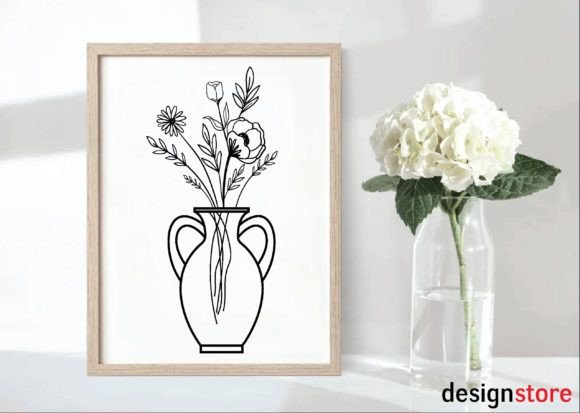
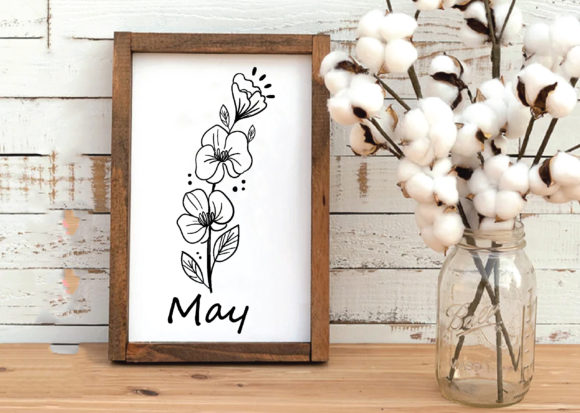
Opening the May-wild Flower embroidery design, the first thing I notice is its soft, flowing lines and organic shape. It feels like a spring breeze stitched into thread—light, airy, and full of movement. The floral elements are not overly structured, which gives it a hand-drawn charm that’s hard to find in digital embroidery files. It’s the kind of design that could easily slip into a boutique brand’s aesthetic or add a personal touch to a custom baby gift.
As someone who works with both machine embroidery and digital design files daily, I appreciate how the layout of May-wild Flower balances openness and detail. It doesn’t feel too busy, but still carries enough visual interest to stand out on a finished product. The design has a feminine, nature-inspired vibe, which makes it ideal for baby items, women’s apparel, or seasonal decor.
Real-World Use: From Sweatshirts to Tote Bags
I recently tested May-wild Flower on a custom embroidered tote bag for a client who wanted a nature-themed boutique product. The design scaled beautifully from a small 3-inch hoop to a larger 5-inch layout without losing clarity. On the natural cotton tote, the floral lines stitched cleanly and held their shape, even with the subtle curves and fine details.
Next, I used it on a lightweight sweatshirt for a personalized gift. The fabric had a bit of texture, but the satin and fill stitches in May-wild Flower handled it well. There was no puckering or distortion, and the thread contrast looked great on the soft gray background. It gave the garment a boutique-level finish without requiring any major adjustments.
I also tried it on a baby onesie, and the result was sweet and understated—perfect for a delicate embroidered touch. It didn’t overwhelm the small space and looked polished even after washing. This makes it a solid choice for Etsy sellers or small shop owners who create baby embroidery items and want consistency across their handmade product line.
Where to Use It Carefully: Fabric and Fit Matter
While May-wild Flower is versatile, it’s not a one-size-fits-all embroidery design. I found that on very stretchy fabric—like a knit T-shirt—it required a bit more stabilizer than usual to keep the satin stitches from distorting. If you're using it on curved surfaces like a baseball cap, make sure your hoop fits well and the design placement avoids distortion around the seams.
Dark fabrics can also challenge the visibility of lighter thread colors, especially in the more detailed sections. I recommend checking how the design looks in black and white mockups before committing to a final stitch-out. And if you’re planning to embroider on textured or thin fabric, test the design on a scrap first—fill stitch density can sometimes show through lighter materials.
Also, if you're working with a small hoop size, you may need to simplify or resize the design slightly to preserve clarity. The more intricate corners and fine lines can get lost in a tight space, especially on detailed applique designs or embroidered patches.
Visual Appeal and Professional Impact
One of the biggest pluses of May-wild Flower is how it elevates the perceived value of a finished product. Whether it’s stitched onto a pillow cover or a boutique tote, it reads as intentional and handcrafted—without looking overly complex. That’s a big win for creative entrepreneurs who want to maintain a professional look without spending hours tweaking files.
From a branding standpoint, it’s adaptable enough to work across multiple product lines. I’ve used it in digital mockups for Etsy listings and printable mockups for client proposals, and it always looks clean and high-quality. That’s key for digital product sellers or small business owners who need their embroidery files to translate well in marketing visuals.
For gift items, especially personalized ones, the May-wild Flower design adds a sentimental touch. It’s not so bold that it feels commercial, but still distinct enough to make the recipient feel like it was made just for them. That kind of balance is hard to find in many embroidery files, especially those aimed at both personal and commercial use.
Designer Notes: Practical Tips Before You Stitch
- Test on scrap fabric first—especially if you’re working with a new fabric type or color.
- Check thread color contrast against the base fabric to ensure the design stands out as intended.
- Review stitch density—you may need to adjust settings slightly depending on fabric thickness.
- Confirm hoop size before stitching to avoid distortion or trimming issues.
- Inspect small details under magnification to ensure clarity, especially in corners and fine lines.
- Test in black and white mockups to see how the design translates without color.
- Compare light and dark backgrounds to determine the best thread choices.
- Use proper stabilizer—especially on stretchy or textured materials.
- Confirm licensing if you plan to sell finished items or include the design in digital product bundles.
May-wild Flower is a strong contender in the world of digital embroidery files, especially for designers and small business owners who value both aesthetics and usability. It holds up well in real embroidery projects, from custom apparel to holiday embroidery and personalized gifts. As long as you take the time to test and adjust for your specific fabric and product type, it delivers a clean, professional result that customers will appreciate.
Whether you’re an Etsy seller building a digital embroidery shop, a craft business owner creating seasonal items, or a designer preparing for a client project, May-wild Flower earns its place in your embroidery project lineup. It’s a design that feels both timeless and fresh—perfect for the handmade and commercial projects that need just the right floral touch.