This Is My First Halloween Svg Review
As a designer who has spent years navigating the fine line between digital art and physical stitching, I approach every new machine embroidery design with a critical eye. When I first encountered This is My First Halloween Svg, my initial reaction was one of cautious optimism. The phrase "This is my first Halloween" carries a specific emotional weight, usually reserved for baby items or novelty gifts. It implies innocence, celebration, and a milestone moment. However, translating that sentiment from a flat digital file into a textured, three-dimensional finished product requires more than just a pretty image. It demands a deep understanding of how vector lines convert to thread.
The design itself falls squarely into the Crafts category, but its potential extends far beyond simple scrapbooking. As a Graphics asset, it offers an instant download package containing SVG, PNG, DXF, PDF, and EPS files in high resolution. While these formats are excellent for cutting machines like Cricut or Silhouette, my primary concern as an embroiderer is how the vector paths translate when converted into an embroidery file. Does the text hold up? Are the curves smooth enough for satin stitch without puckering? These are the questions that determine whether a design becomes a bestseller on Etsy or a pile of tangled thread on your work table.
Visual Impact and Design Personality
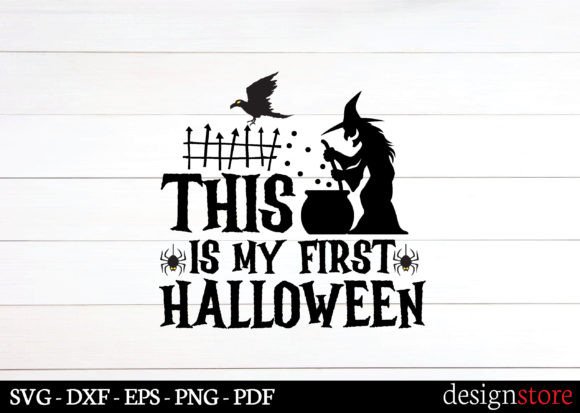
The mood created by This is My First Halloween Svg is playful yet structured. The typography is bold, which is a positive indicator for custom apparel projects where legibility is paramount. In the world of holiday embroidery, clarity often trumps intricate detail, especially when working with seasonal themes that need to be recognized instantly. The layout feels balanced, avoiding the common pitfall of overcrowding the design area. This balance suggests that the design could work well as a standalone statement piece on a sweatshirt embroidery project or as part of a larger composition on a tote bag.
However, the visual personality relies heavily on the execution. If the lettering is too thin, it may disappear against the texture of a heavy fabric. If the decorative elements are too dense, they could cause the fabric to pucker, ruining the professional look of the handmade product. The design's strength lies in its simplicity, which makes it versatile for various applications, from baby embroidery to adult novelty wear. Yet, this simplicity also means that any flaw in the digitization process will be glaringly obvious.
Real-World Application: The Custom Tote Bag Scenario
To truly evaluate This is My First Halloween Svg, I imagined a real-life scenario: preparing a custom embroidered tote bag for a local craft fair. Imagine a customer walking into a booth, looking for a unique personalized gift for their toddler's first trick-or-treating season. They want something durable, washable, and visually striking. I would select a sturdy canvas tote bag, known for its ability to handle stitch density better than delicate knits.
In this scenario, the design would be hooped with a medium-weight tear-away stabilizer to prevent shifting during the stitching process. The placement would likely be centered on the front panel. As the machine begins to run, the first thing I watch is the fill stitch coverage. For a phrase like "This is my first Halloween," the text needs to be crisp. If the design uses a mix of satin stitch for outlines and fill for the body, the transition must be seamless. On a tote bag, the texture of the canvas can sometimes interfere with fine details, so ensuring the hoop size accommodates the design without stretching the fabric is crucial.
Once the stitching is complete, the result should pop against the natural color of the canvas. The thread colors chosen—perhaps orange, black, and purple—are classic for the season, but the contrast against the background fabric is what sells the item. A dark tote might require white outlining to make the text readable, while a light tote allows for more creative color combinations. The final tote bag design would not only serve as a functional accessory but also as a conversation starter, enhancing the perceived value of the small shop product.
Navigating Fabric Challenges and Limitations
While This is My First Halloween Svg shows promise, there are scenarios where it requires careful handling. Textured fabrics like fleece or chenille can distort the sharp edges of the lettering, making the text appear fuzzy. Similarly, stretchy fabric such as jersey knit poses a risk; without the correct stabilizer, the design could warp after the first wash. For dark fabric, the lack of a built-in underlay in some basic conversions can lead to poor visibility, requiring manual adjustments to the embroidery file.
Small hoop sizes present another challenge. If you attempt to fit the entire phrase into a 4x4 inch hoop, the stitch density might become too high, leading to puckering or thread breakage. In such cases, splitting the design or scaling it down significantly might be necessary, though this risks losing the impact of the message. Additionally, curved surfaces like caps require specialized digitizing techniques to account for the dome shape, which standard vector-to-stitch conversions often fail to address automatically.
Practical Designer Notes for Success
Before committing This is My First Halloween Svg to a client order or a large production run, I always recommend a series of practical tests. First, test the design on scrap fabric that matches the intended material. This allows you to check for tension issues, thread breaks, and overall appearance without wasting expensive materials. Review the stitch density closely; areas that are too dense can pull the fabric, while sparse areas may show the backing through.
Confirm the hoop size required for the design to ensure it fits within your machine's capabilities. Inspect small details, particularly the serifs or decorative flourishes in the text, to ensure they stitch out cleanly. Test the design in black and white printable mockup versions to visualize how it will look on different backgrounds before using actual thread. Compare light and dark fabric backgrounds to determine if additional outlining or underlay stitches are needed for optimal visibility.
Using proper stabilizer is non-negotiable. Whether it's cutaway for stretchy fabrics or tear-away for woven goods, the right support ensures the longevity of the finished product. Check whether the design works for both personal and commercial projects by reviewing the licensing terms provided with the download. As an Etsy seller or craft business owner, confirming licensing before selling finished items or digital products is essential to avoid legal issues.
Final Verdict on Commercial Viability
This is My First Halloween Svg offers a solid foundation for commercial embroidery projects, provided the user takes the time to optimize the settings for their specific application. Its versatility makes it suitable for a wide range of products, including embroidered patches, pillow covers, tea towels, and nursery decor. The design's clear messaging and festive theme align perfectly with current market trends for seasonal digital product sellers.
For the creative entrepreneur looking to expand their holiday catalog, this design adds immediate value. It appeals to parents seeking personalized gifts and businesses aiming to create limited-edition boutique branding items. By paying attention to the nuances of fabric texture, thread colors, and stitch density, designers can transform this digital asset into a high-quality, tangible product that customers will love. Ultimately, the success of This is My First Halloween Svg depends not just on the file itself, but on the skill and care applied during the production process.