Little Bee Svg: A Designer's Practical Review
As a designer who has spent years navigating the intersection of digital graphics and physical thread, I approach every new asset with a critical eye. The market is flooded with generic vectors that look perfect on a screen but fall apart under the needle. When I first opened the Little Bee Svg file, my immediate goal was to determine if this design could transition seamlessly from a digital download to a high-quality, sellable handmade product. This is not just about aesthetics; it is about structural integrity, stitch logic, and how the final piece will be perceived by a customer holding a finished tote bag or wearing a custom sweatshirt.
First Impressions: Visual Personality and Design Intent
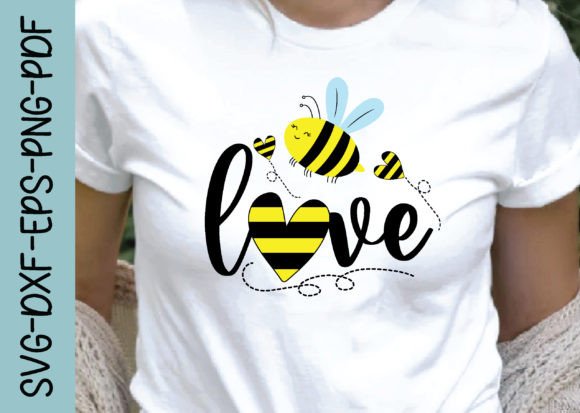
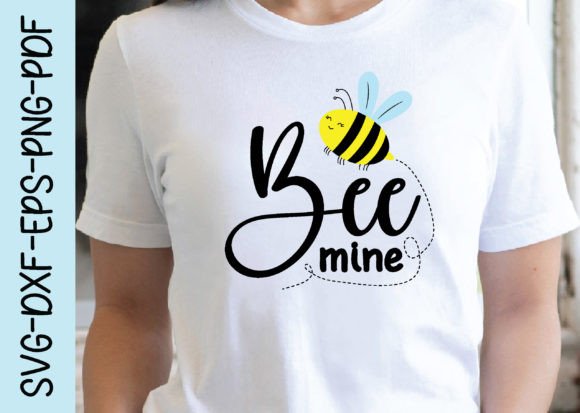
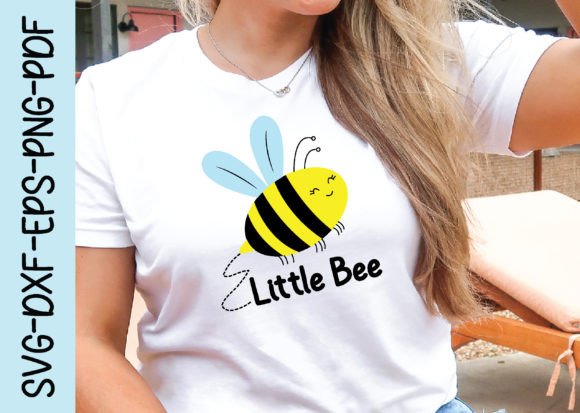
The moment you load the Little Bee Svg into your preferred software, the visual intent becomes clear. It is a charming, approachable graphic that leans heavily into the whimsical side of nature-themed Crafts. The silhouette is clean, avoiding the trap of over-complication that often plagues insect designs. In the world of embroidery, less is frequently more. Too many tiny details in wings or legs can result in a muddy, indistinct mess once stitched onto fabric. This design strikes a balance where the character of the bee remains recognizable without requiring microscopic precision.
From a Graphics perspective, the lines are bold enough to suggest a strong fill stitch area, yet there are distinct opportunities for satin stitch accents along the edges. This combination is crucial for creating depth. If you were to use this for a nursery project, the soft curves would translate beautifully into a baby embroidery piece. However, if you are looking at this for a rugged outdoor apron or a men's cap, the playful nature might need to be scaled up significantly to maintain its impact against textured fabrics.
Real-World Application: From Screen to Stitch
To truly understand the value of Little Bee Svg, we must move beyond the mockup and imagine the stitching process. Let's consider a scenario where I am preparing a limited run of embroidered patches for a local craft fair. Patches require high durability and crisp definition because they are often handled, washed, and ironed onto various garments. With this design, the wing shapes are large enough to handle a standard fill stitch without risking holes or gaps. The body of the bee offers a solid anchor point for contrasting thread colors.
I envision using this design on a canvas tote bag. Tote bags are a staple for small shop products and Etsy sellers alike. The challenge with totes is often the weave of the fabric; it can sometimes cause thread to sink in too deeply, making small details vanish. Because the Little Bee Svg maintains a moderate level of detail rather than excessive intricacy, it stands a good chance of popping against the canvas texture. For a sweatshirt embroidery project, the design could serve as a chest logo or a back print. On fleece or cotton blends, the density of the stitches needs to be managed carefully to prevent puckering, especially around the curved abdomen of the bee.
This design also fits perfectly into the realm of holiday gifts and personalized items. Imagine a kitchen towel set for a new home gift, featuring this little bee alongside some floral elements. The versatility allows it to function as a standalone statement or part of a larger composition. For commercial embroidery projects, the ability to scale the design without losing clarity is vital. Whether you are branding a boutique's staff aprons or creating unique merchandise for a seasonal sale, the adaptability of this vector ensures it remains professional across different mediums.
Navigating Challenges: Where Caution is Required
While the Little Bee Svg is robust, no design is immune to the pitfalls of poor execution. There are specific scenarios where this asset requires extra attention. First, consider small hoop sizes. If you attempt to fit this design into a 4x4 inch hoop for a cap brim or a sock, the wings may become too compressed. This compression increases the risk of thread breakage and can ruin the visual flow of the design. Always check the dimensions before committing to a tight space.
Fabric choice is another critical factor. On thin or stretchy fabrics like jersey knit, the weight of the stitches can distort the garment. Using the right stabilizer is non-negotiable here. Without proper backing, the bee might look warped or saggy after the first wash. Similarly, dark fabrics present a challenge for light-colored thread work. While the design itself is versatile, you must ensure that the contrast between the thread colors and the background fabric is sufficient for the details to register clearly.
Detailed corners and tiny lettering, if added to the design, are potential trouble spots. If you plan to add text like "Busy Bee" next to the graphic, ensure the font size matches the scale of the bee. Mismatched scales create an unprofessional look that can undermine the quality of your handmade product. Furthermore, on layered garments or items with thick seams, the needle might struggle to penetrate evenly, leading to skipped stitches. Always test on scrap fabric first to gauge the machine's performance with the specific material you intend to use.
Maximizing Value and Professionalism
The true worth of a digital embroidery file lies in its ability to elevate the finished product. When executed correctly, Little Bee Svg adds a layer of charm and professionalism that mass-produced items lack. For a creative entrepreneur, offering a well-stitched, unique design builds customer trust and brand consistency. Clients appreciate the care taken in selecting a design that complements their personal style or business aesthetic.
To maximize the visual appeal, experiment with thread colors. A classic yellow and black combination is timeless, but perhaps a pastel palette would suit a spring collection better. The key is to ensure the color choices enhance the design rather than compete with it. Additionally, reviewing the stitch density is essential. High density can make the design feel heavy and stiff, while low density might leave gaps. Finding the sweet spot ensures the embroidery feels soft to the touch, which is a significant selling point for apparel and baby items.
Practical Notes for the Designer
- Test Run: Always stitch out the design on a scrap piece of the actual fabric you plan to use. This reveals issues with tension, density, and registration before you commit to the final item.
- Stabilizer Selection: Match the stabilizer to the fabric weight. Heavyweight tear-away works for towels and denim, while cut-away is better for stretchy knits.
- Mockups: Use printable mockups to visualize how the design looks on different backgrounds. Compare light and dark fabric options to see how the thread colors interact.
- Licensing Check: Before selling finished items or digital products, confirm the licensing terms. Ensure you have the rights to use the design for commercial purposes, whether for a small shop product or a large-scale production run.
- File Verification: Since this listing includes SVG, PNG, DXF, PDF, and EPS files, verify that the specific format you need is compatible with your machine software. Not all machines read every file type natively.
In conclusion, the Little Bee Svg is a solid addition to any designer's library of assets. It offers a blend of simplicity and character that translates well across various applications, from custom apparel to decorative home goods. By understanding its strengths and limitations, and by applying sound embroidery techniques, you can turn this digital file into a tangible, high-quality product that delights customers and strengthens your brand. Whether you are a hobbyist creating a personalized gift or a seasoned pro running a craft business, this design provides a reliable foundation for your next creative endeavor.