June-Wild Flower: A Designer's Practical Review
As a designer who has spent years navigating the delicate balance between digital art and physical thread, I approach every new machine embroidery design with a critical eye. The market is flooded with generic patterns, but finding a piece that truly translates from screen to fabric is rare. Today, I am evaluating the June-wild Flower design. This isn't just another graphic file; it is a potential asset for your craft business, your next Etsy listing, or a heartfelt personalized gift. My goal here is to cut through the marketing fluff and tell you exactly how this design performs in the real world of stitching.
First Impressions: Capturing the Wild Summer Mood
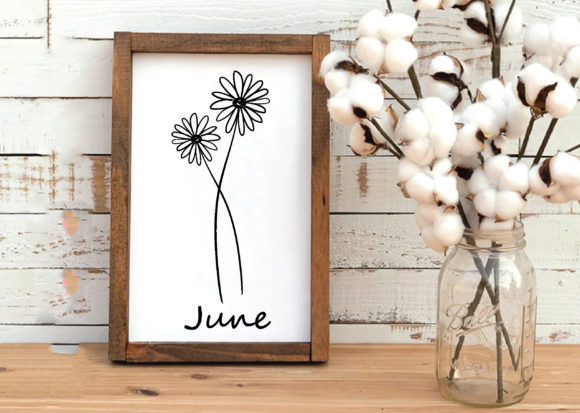
When I first opened the preview for June-wild Flower, the immediate impression was one of organic freedom. Unlike rigid, geometric floral arrangements often found in standard Graphics libraries, this design breathes. The lines feel loose yet structured enough to hold up under magnification. It captures that specific, fleeting moment in early summer when wildflowers are at their peak—vibrant, slightly untamed, and full of life.
For an embroidery project, this mood is crucial. Customers today crave authenticity. They want items that look handmade, even if they are machine-stitched. The layout of June-wild Flower suggests a natural flow that would sit beautifully on curved surfaces or draped fabrics. It doesn't scream "logo"; it whispers "boutique." This makes it an excellent candidate for custom apparel where subtlety sells. Whether you are planning a sweatshirt embroidery for a local brand or a small batch of holiday gifts, the visual personality of this design aligns perfectly with current trends favoring nature-inspired aesthetics.
Testing the Waters: A Real-World Tote Bag Scenario
To truly understand the utility of June-wild Flower, let's imagine a specific scenario. You run a small shop selling eco-friendly goods, and you need a standout item for your upcoming craft fair. You decide to create a limited run of canvas tote bags featuring this floral motif. Here is where the practical evaluation begins.
I visualize placing the design on a sturdy, off-white cotton canvas. Because the design is available as high-resolution files including SVG, PNG, DXF, PDF, and EPS, I can easily scale it without losing definition. However, scaling is only half the battle. In my mind, I see the stitch density playing a vital role. If the flowers are too dense, the canvas might pucker, ruining the drape of the bag. If they are too sparse, the thread colors might not pop against the fabric texture.
The versatility of the file formats provided allows me to test different approaches. I could use the vector data to adjust the line weight for a cleaner look, ensuring the running stitch outlines remain crisp. For the petals, a light fill stitch would add dimension without adding excessive bulk. This flexibility is what separates a good digital embroidery file from a great one. It empowers the maker to adapt the design to the specific constraints of their project, whether that is a tote bag design or a delicate baby embroidery item.
Navigating Fabric Challenges and Technical Nuances
While June-wild Flower looks promising, experienced designers know that no design works universally without adjustment. There are specific scenarios where caution is required. If you attempt to stitch this onto thin, stretchy fabric like jersey knit, the intricate details of the wildflowers could distort. The tension required to pull the thread through might cause the fabric to gather, warping the organic shapes that make the design special.
Similarly, working with dark fabrics presents a challenge. Without proper underlay, the lighter colors of the flowers might get lost in the weave of a black custom apparel piece. I strongly advise using a tear-away or cut-away stabilizer that matches the weight of your fabric. For textured materials like denim or heavy linen, the hoop size becomes critical. You need enough room to secure the fabric tightly so that the needle hits the same spot every time, ensuring the satin stitch edges remain smooth.
One area to watch closely is the detailing in the center of the flower clusters. On very small hoop sizes, these tiny elements might become indistinguishable blobs of thread. If you are making an embroidered patch for a cap or a small keychain, you may need to simplify the design or increase the overall scale. Always remember to test the design on scrap fabric first. This simple step can save hours of frustration and wasted materials.
Commercial Viability and Brand Consistency
For the Etsy seller or small shop product owner, consistency is key to building trust. June-wild Flower offers a level of professionalism that elevates a finished product from a hobbyist craft to a commercial-grade item. When customers receive a well-executed piece, their perception of your brand skyrockets. The clarity of the design ensures that the final result looks intentional and polished.
This design also serves as a fantastic asset for creating printable mockups. Since the package includes high-resolution PNG and EPS files, you can generate stunning visuals for your online store before you even buy a spool of thread. These mockups help buyers visualize the product on a Mug, a Sign, or a T-shirt, increasing engagement and conversion rates. The ability to present such a cohesive look across different product types—from kitchen towels to pillow covers—helps establish a recognizable brand identity.
Practical Notes for the Serious Maker
Before you commit to a production run, consider these practical notes derived from my experience with similar designs:
- Check Licensing: Ensure you have the right to sell finished items made with this design. While the description mentions it is for Crafts and Graphics, always verify the specific terms regarding commercial embroidery.
- Color Contrast: Test the design in black and white first to see if the contrast holds up. Then, experiment with thread colors that complement your fabric rather than clash with it.
- Stitch Density Check: Run a test stitch on a swatch of your actual fabric. Look for puckering or gaps in the fill. Adjust the settings on your machine if necessary.
- Hoop Size Verification: Confirm that the design fits comfortably within your hoop, leaving enough margin for the clamps to hold the fabric securely.
- Durability Testing: If the item will be washed frequently, like a tea towel or apron, ensure the stabilizer choice supports long-term durability.
Final Verdict on June-Wild Flower
In conclusion, June-wild Flower is more than just a pretty picture; it is a versatile tool for the modern maker. Its organic aesthetic fits seamlessly into the current demand for nature-inspired handmade products. Whether you are decorating a wedding gift, creating merchandise for your craft business, or simply enjoying a weekend embroidery project, this design offers the flexibility and quality needed for success.
However, its success ultimately depends on your preparation. By respecting the nuances of fabric texture, choosing the right stabilizer, and testing your settings, you can transform this digital file into a tangible masterpiece. As a designer, I appreciate assets that respect the craft, and June-wild Flower certainly delivers on that promise. It is a solid addition to any collection of design assets for those looking to elevate their work with style and substance.