January-Wild Flower: A Designer's Review
As a designer who has spent years navigating the delicate balance between digital art and physical thread, I approach every new machine embroidery design with a critical eye. The market is flooded with generic patterns, but finding a piece that truly elevates a handmade product requires more than just pretty lines. Today, I am putting the January-wild Flower through its paces to see if it holds up under the scrutiny of real-world application. This isn't just about downloading an embroidery file; it is about understanding how this specific graphic translates into a tangible, sellable item for your craft business.
The First Impression: Mood and Composition
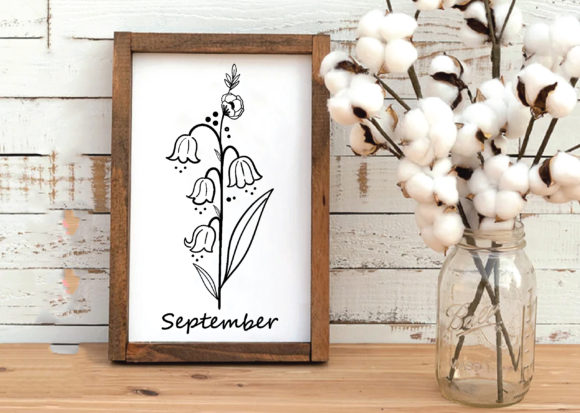
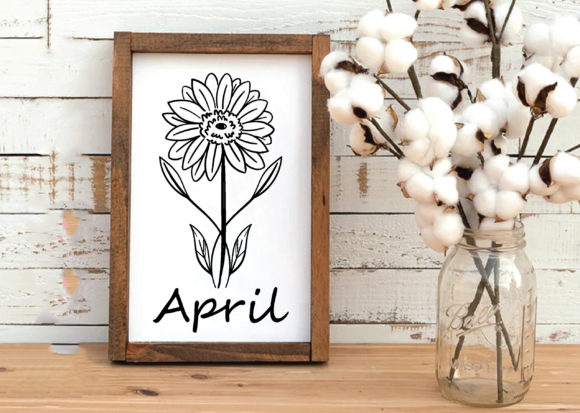
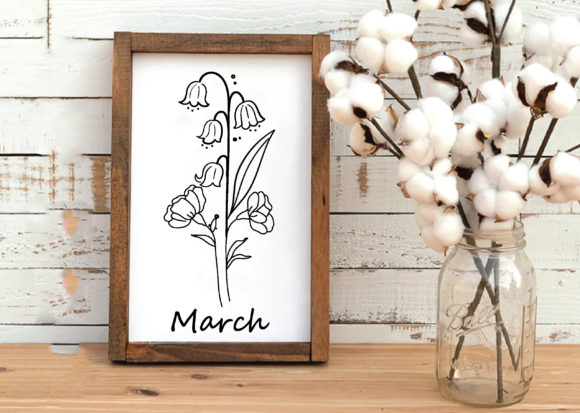
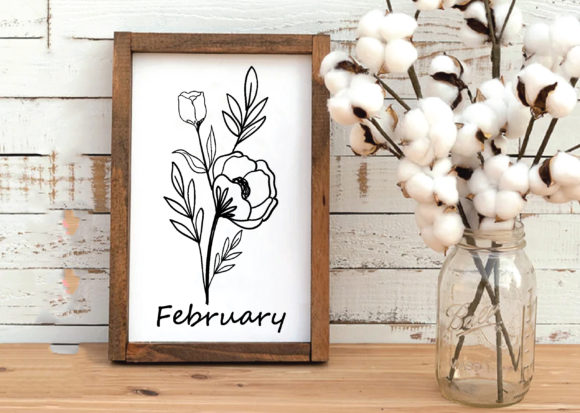
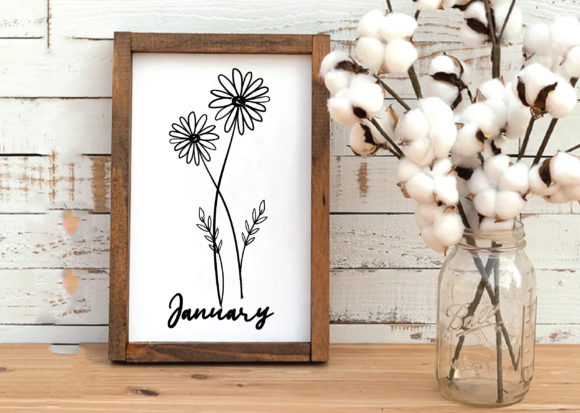
When I first opened the preview for January-wild Flower, the immediate feeling was one of resilient elegance. Unlike the heavy, layered florals often seen in summer collections, this design carries a lighter, airier quality that fits the "wild" aspect of its name perfectly. The layout suggests organic growth rather than rigid symmetry, which is exactly what modern consumers look for in custom apparel and boutique branding. For an Etsy seller or a small shop owner looking to differentiate their inventory, this visual personality is a strong asset. It feels less like a mass-produced clip art and more like a curated botanical illustration ready to be stitched.
The detail level strikes a necessary balance. It offers enough complexity to justify a premium price point on a finished product without becoming so dense that it risks puckering delicate fabrics. In the world of Graphics meant for stitching, this kind of restraint is rare and valuable. It signals to the customer that the maker understands both aesthetics and technical limitations.
Testing the Design: A Real-World Scenario
To truly evaluate January-wild Flower, I imagined a specific project: a high-end, organic cotton tote bag for a local boutique. Tote bags are a staple for craft businesses, but they are also notorious for showing poor stitch quality due to the texture of the fabric and the way the material moves. I visualized placing this design on the front panel, centered, using a contrasting thread color to make the wild flower motif pop against a natural beige canvas.
In this scenario, the design's open spaces would allow the fabric texture to show through, adding depth to the finished product. The flow of the petals and stems would likely translate well into a mix of satin stitch for outlines and fill stitch for the heavier areas. Because the design is not overly cluttered, it would remain legible even from a distance, ensuring that customers walking past a table at a craft fair could immediately recognize the brand aesthetic. This clarity is crucial for commercial embroidery where the design acts as a silent salesperson.
I also considered using January-wild Flower for holiday embroidery projects, perhaps on a linen tea towel or a baby blanket. The neutral yet festive nature of a winter wildflower makes it versatile enough for year-round use, avoiding the trap of seasonal designs that gather dust after January. For a personalized gift, such as a monogrammed sweatshirt or a nursery decor piece, the design provides a sophisticated backdrop that doesn't compete with added text or other embellishments.
Navigating Technical Challenges
While the potential is high, any experienced designer knows that success depends on execution. There are specific situations where January-wild Flower requires careful handling. If you plan to use this on small hoop sizes, you must ensure the scaling does not compromise the integrity of the smallest details. Tiny petals can disappear if the stitch density is too low or if the thread breaks during the process.
Fabric choice is another critical factor. On textured fabrics like denim or thick wool, the intricate parts of the wild flower might get lost in the weave. Conversely, on thin fabric or stretchy fabric like jersey knit, the design demands a high-quality stabilizer to prevent distortion. Without proper backing, the tension required for the fill stitches could warp the garment, ruining the professional look of your handmade product.
Additionally, be cautious with dark fabric backgrounds. While a dark shirt can create a striking contrast, it may require more layers of white underlay to make the colors of the flower vibrant. If you are working on curved surfaces like caps, the layout of January-wild Flower needs to be tested to ensure the flowers do not distort when wrapped around the brim. Always check whether the design works for both personal and commercial projects before committing to a large batch of merchandise.
Practical Notes for the Professional Maker
Before you list your items or begin a client order, follow these essential steps to maximize the value of this digital embroidery file:
- Test on Scrap Fabric: Never skip the test run. Stitch January-wild Flower on a scrap piece of the exact fabric you intend to use. Check for puckering, thread breakage, and registration issues.
- Review Thread Colors: Experiment with different thread colors to see how they interact with the base material. A subtle shift in hue can change the entire mood of the design.
- Inspect Small Details: Zoom in on the preview to identify any tiny elements that might need simplification depending on your machine's capabilities.
- Confirm Licensing: Since this listing mentions it contains SVG, PNG, DXF, PDF, and EPS files for instant download, verify the license terms. Ensure you have the right to sell finished products made with this design, especially if you are operating a small shop product line.
- Create Printable Mockups: Use the high-resolution files to generate printable mockups for your online store. Clear visuals build customer trust and help buyers visualize the final result.
- Check Hoop Size Compatibility: Even though the files are high resolution, confirm the dimensions fit within your standard hoop size to avoid awkward cropping.
Impact on Brand and Value
Ultimately, the decision to use January-wild Flower comes down to how it affects your brand's perception. A well-executed embroidery project elevates a simple t-shirt into a piece of wearable art. This design, with its thoughtful composition, adds a layer of professionalism that separates hobbyists from serious entrepreneurs. It enhances product value by offering a unique aesthetic that cannot be replicated by standard screen printing.
For those selling embroidered patches, aprons, or pillow covers, the versatility of this design assets allows for consistent branding across various items. Whether you are creating a baby embroidery set or a sweatshirt embroidery collection, the cohesive look helps build recognition and loyalty among your clientele. The clean lines and natural theme resonate with current trends in Crafts, making it a safe yet stylish investment for your inventory.
In conclusion, January-wild Flower is more than just a downloadable file; it is a tool for creative expression and business growth. By respecting its technical requirements and leveraging its aesthetic strengths, you can create personalized gifts and commercial embroidery pieces that stand out in a crowded marketplace. As always, take the time to test, refine, and present your work with confidence. That is how you turn a digital graphic into a cherished, tangible reality.