September-Wild Flower: A Designer's Review
As a designer who has spent years navigating the gap between digital art and physical stitching, I approach every new machine embroidery design with a critical eye. The market is flooded with generic patterns, but finding a piece that truly captures a specific mood while remaining practical for production is rare. When I first opened the September-wild Flower file, I was immediately struck by its seasonal warmth. It doesn't just look like a flower; it feels like the crisp air of early autumn mixed with the last golden light of summer. For anyone running a craft business, selling on Etsy, or simply looking to elevate their handmade projects, this design offers a distinct visual personality that stands out in a crowded marketplace.
The First Impression: Mood and Visual Structure
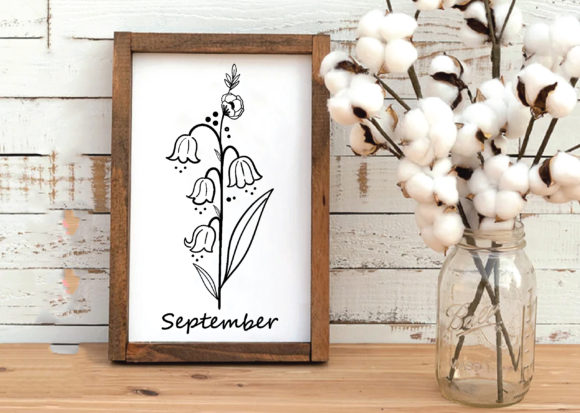
At first glance, September-wild Flower presents itself as a sophisticated yet organic graphic. The layout suggests a natural arrangement rather than a rigid, symmetrical bouquet. This asymmetry is crucial for modern custom apparel because it mimics how real wildflowers grow, adding an authentic touch to any finished product. The lines are fluid, suggesting that when converted into stitch data, they will likely require a mix of satin stitch for definition and fill stitch for volume. The color palette implied by the name evokes rusts, deep oranges, muted yellows, and perhaps some earthy greens. These tones are perfect for creating a cohesive holiday embroidery collection or a late-season boutique line.
What sets this design apart is its versatility. Unlike overly intricate floral arrangements that can get lost in small hoop sizes, the structure here seems balanced enough to scale without losing its charm. Whether you are envisioning a delicate embroidered patch or a large statement piece on a tote bag, the core elements remain recognizable. This scalability is a massive advantage for Etsy sellers who need to offer the same design across various product types without compromising quality.
Real-World Application: From Digital File to Finished Product
To truly understand the value of September-wild Flower, let's walk through a real scenario. Imagine you are preparing a limited run of canvas tote bags for a local craft fair. You want something that screams "autumn" without being cliché. You load the digital embroidery file into your software. The high-resolution nature of the source files ensures that the vector paths are clean, which translates to smoother curves in your digitized version. As you map out the thread colors, you notice the design holds up well even with a simplified three-color palette, saving time and thread waste during production.
Now, consider a different use case: a personalized sweatshirt for a client. Sweatshirts present a unique challenge due to their texture and thickness. The September-wild Flower design, with its bold outlines and defined centers, would likely hold up beautifully against the looped fabric of a fleece garment. The contrast between the dark fabric and vibrant fall colors would make the flowers pop, ensuring the finished product looks professional and high-end. This level of detail is what builds customer trust; when clients see a crisp, well-executed design, they perceive higher value in your work.
For those focusing on smaller items, such as baby clothes or nursery decor, the soft edges of the wildflower theme are ideal. A gentle baby embroidery project featuring a muted version of this design on a onesie or a blanket could be a bestseller. The organic shapes feel safe and comforting, avoiding the sharp, aggressive lines that sometimes appear in more geometric designs. Furthermore, if you are producing personalized gifts for weddings or anniversaries, this motif adds a romantic, timeless element that pairs well with monograms or script lettering.
Navigating Fabric and Hoop Challenges
While September-wild Flower is versatile, it is not without its challenges. As a professional, I always advise testing any new embroidery project on scrap fabric first. If you plan to use this on stretchy fabrics like jersey knit, you must be mindful of the stitch density. Dense areas in the center of the flowers could cause puckering if the wrong stabilizer is used. A cut-away stabilizer is often necessary for knits to ensure the design lays flat after washing.
Similarly, working with textured fabrics like denim or linen requires careful consideration. The intricate details of the petals might get lost in the weave of a heavy canvas if the stitch count is too low. In these cases, you might need to adjust the digitizing settings to increase the underlay stitches, ensuring the design anchors firmly to the material. For curved surfaces like caps or hats, the placement of the design becomes critical. Placing the main bloom on the crown of a cap works well, but you must ensure the hoop size accommodates the curve without distorting the shape of the flower.
Dark fabrics also demand attention. While the design looks great conceptually, executing it on black or navy blue requires a strategic choice of thread colors. Using lighter shades for the highlights and darker threads for the shadows will create depth. However, if the design includes very fine details, they might disappear against a dark background unless you use a high-quality white underlay or a sheer backing.
Business Value and Commercial Potential
From a commercial standpoint, September-wild Flower is a strong asset for any small shop product line. Its seasonal relevance makes it perfect for back-to-school promotions, fall harvest markets, and holiday gift guides. Because the design comes in multiple formats including SVG, PNG, DXF, PDF, and EPS, it is not limited to embroidery alone. You can use the vector files to create printable mockups for your website, design stickers, or even print on mugs and signs. This multi-format capability allows you to maximize the return on investment for a single design purchase.
However, before launching a full production run, it is vital to confirm the licensing terms. While the description mentions it is an instant download suitable for printing on various items, you must verify if the license covers commercial embroidery and the sale of finished goods. Many designers sell personal-use licenses separately from commercial ones. Ensuring you have the right to sell items made with this design assets protects your business from legal issues down the road.
Practical Tips for Designers
- Test on Scrap Fabric: Always run a test stitch on the exact fabric you intend to use to check for puckering and thread tension.
- Check Thread Contrast: Use a color wheel to ensure your chosen thread colors stand out against the fabric background.
- Review Stitch Density: If the design feels too dense, reduce the number of fill stitches to prevent fabric distortion.
- Confirm Hoop Size: Ensure your machine's hoop can accommodate the full width of the design without cropping essential details.
- Inspect Small Details: Zoom in on the smallest petals and leaves to ensure they won't turn into blobs of thread when stitched.
- Use Proper Stabilizer: Match the stabilizer type (tear-away, cut-away, or wash-away) to the fabric weight and texture.
- Verify Licensing: Double-check the terms of use to ensure you can legally sell finished products or digital derivatives.
In conclusion, September-wild Flower is more than just a pretty graphic; it is a functional tool for creators who value both aesthetics and practicality. Whether you are a hobbyist making a handmade product for a friend or a seasoned entrepreneur building a brand around seasonal themes, this design offers the flexibility and visual impact needed to succeed. By approaching it with the right technical preparation and creative vision, you can transform a simple digital file into a tangible, high-quality item that customers will love.