February-Wild Flower: A Designer's Review
As a professional who has spent years translating digital graphics into tangible stitched textures, I approach every new machine embroidery design with a mix of excitement and skepticism. The market is flooded with generic patterns that look great on a screen but fall apart under the needle. When I first opened the February-wild Flower file to evaluate it for my upcoming winter collection, I wasn't just looking for a pretty picture; I was looking for structural integrity and commercial viability. This review breaks down how this specific Graphics asset performs in real-world scenarios, from the initial download to the final finished product.
The First Impression: Mood and Visual Weight
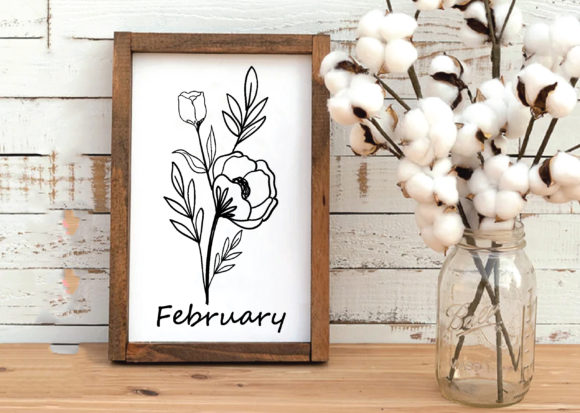
The moment you preview the February-wild Flower design, the intent becomes clear. It captures that specific, resilient beauty of flora pushing through late winter frost. Unlike the chaotic blooms of spring, this design feels curated and slightly whimsical, yet grounded. For an Etsy seller or boutique owner, visual personality is everything. This piece offers a balance between delicate lines and bold shapes that translates well into a digital embroidery file. The layout suggests a natural flow, which is crucial when you are planning to place it on curved surfaces like caps or the chest of a sweatshirt embroidery project.
However, a designer knows that what looks crisp on a monitor can get muddy in thread. The key here is understanding the stitch density implied by the vector paths. The February-wild Flower appears to have enough negative space to prevent puckering, a common enemy of high-quality handmade product creation. If the fill areas are too dense, the fabric will bunch up, ruining the drape of a tote bag or the comfort of baby clothing. My initial assessment is that the shape is robust enough to hold its form without requiring excessive stabilizer, though testing remains non-negotiable.
Real-World Application: From Tote Bags to Holiday Gifts
Let's talk about where this design actually shines. Imagine preparing a custom embroidered tote bag for a local craft fair. You need something that pops against canvas but doesn't feel heavy. The February-wild Flower fits this perfectly. Its organic curves soften the rigid structure of a cotton tote, making it feel artisanal rather than mass-produced. In a commercial embroidery context, this versatility is gold. You could easily adapt it for a kitchen towel set, where the floral theme complements the domestic utility of the item.
Consider a scenario where a client wants personalized gifts for a wedding shower in early February. They want something unique that isn't the typical heart or monogram. Using this design as an embroidered patch on denim jackets or applique on linen napkins creates a sophisticated, nature-inspired aesthetic. The design works exceptionally well for holiday embroidery projects that bridge the gap between the starkness of winter and the promise of spring. Whether it is a baby embroidery project for a onesie or a statement piece on a hoodie, the scale of the flower allows for adaptation across different garment sizes without losing its character.
For the small business owner creating small shop product lines, consistency is key. This design provides a cohesive visual anchor. You can pair it with simple typography for a clean look or let it stand alone for a minimalist vibe. The ability to use this as a tote bag design or a focal point on a pillow cover means you can diversify your inventory using a single design assets purchase, maximizing your return on investment.
Navigating Technical Challenges and Fabric Textures
While the potential is high, practical application requires caution. Not all fabrics play nice with floral motifs. On textured fabrics like chunky knits or heavily woven wool, the fine details of the petals might get lost. The thread colors you choose will dictate the success here. If you are stitching on dark fabric, ensure the contrast is sharp enough to define the edges of the flower. A light pastel thread on black fleece might result in a muddy appearance unless you use a backing layer or a lighter base fill.
Be wary of stretchy materials. If you attempt this design on jersey knit or spandex blends without the correct stabilizer, the hoop tension can distort the flower's shape. The hoop size is another critical factor. While the file includes high-resolution formats suitable for scaling, shrinking a complex floral design too much can cause the running stitch outlines to break or the fill stitch to become indistinguishable. Always test the smallest version you intend to sell on scrap fabric first.
Curved surfaces present their own challenges. Placing February-wild Flower on a baseball cap requires careful placement to avoid the seam. The design should sit flat against the crown, not wrapping over the edge where the fabric gathers. Similarly, on layered garments like hoodies, the bulk of the collar can interfere with the needle path if the design is placed too high. These are the nuances that separate a hobbyist from a professional decorator.
Strategic Advice for Designers and Makers
If you decide to integrate February-wild Flower into your workflow, follow these practical steps to ensure quality:
- Test on Scrap Fabric: Never skip the test run. Stitch out the design on a swatch of the actual material you plan to use. Check for puckering, thread breaks, and color saturation.
- Verify File Formats: The instant download includes SVG, PNG, DXF, PDF, and EPS files. Ensure your machine software supports the format you choose. While the listing mentions printability on mugs and signs, remember that for actual stitching, you need a compatible embroidery file converted correctly.
- Check Stitch Density: Zoom in on the preview. If the petals look solid blocks of color, they might be too dense. Adjust your machine settings to reduce density if necessary to maintain fabric breathability.
- Color Contrast Strategy: Plan your palette carefully. High contrast ensures the design is legible from a distance, which is vital for customer engagement at craft fairs or online listings.
- Licensing Clarity: Before selling finished items, confirm the licensing terms. Some designs allow personal use only, while others permit commercial sales of physical goods. Do not assume you can resell the digital files themselves unless explicitly stated.
- Mockup Testing: Use printable mockup tools to visualize how the design looks on different products before committing to expensive materials.
Final Verdict on Commercial Viability
In the competitive world of Crafts and handmade goods, the difference between a bestseller and a shelf-sitter often comes down to design execution. February-wild Flower offers a strong foundation for both personal projects and commercial ventures. Its aesthetic appeal aligns well with current trends favoring nature-inspired, botanical themes. However, its success relies entirely on the maker's attention to detail regarding fabric choice, stabilizer usage, and thread selection.
For the creative entrepreneur looking to expand their catalog, this design adds a touch of elegance and seasonal relevance. It elevates the perceived value of a standard t-shirt or mug, turning a commodity into a collectible personalized gift. By respecting the technical requirements of embroidery and treating the design with the care it deserves, you can create products that customers will cherish and trust. Ultimately, February-wild Flower is not just a graphic; it is a tool for storytelling through texture and thread, ready to bloom in your next embroidery project.