Peach Farth On: A Designer's Practical Review
As a designer who has spent years navigating the intersection of digital graphics and physical textiles, I approach every new machine embroidery design with a specific set of questions. Does the line work translate to thread? Will the density hold up on stretchy fabric? Most importantly, does it add value to the finished product? When I first opened the files for Peach Farth on, my initial reaction was one of curiosity mixed with professional caution. The name suggests a playful, perhaps slightly irreverent theme, which immediately signals its potential niche in the market. This isn't just another generic floral or geometric pattern; it carries a distinct personality that could define a small shop product or elevate a personalized gift.
The First Impression: Visual Weight and Mood
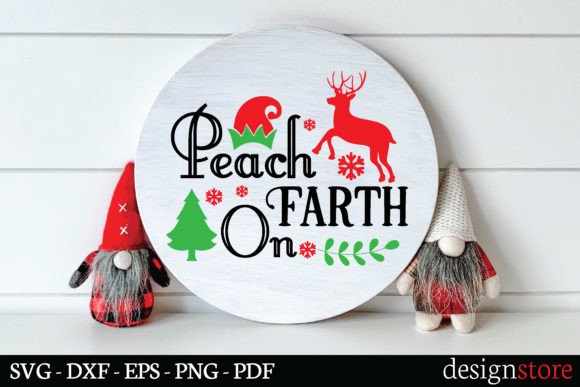
Before loading this into an embroidery machine, I always review the vector preview to understand the visual hierarchy. The Peach Farth on design presents itself as a bold statement piece. In the context of Crafts and Graphics, the layout feels balanced yet dynamic. It avoids the trap of being overly cluttered, which is a common issue with modern digital downloads. The shapes appear clean, suggesting that when converted into a stitch file, the transitions between satin stitch and fill stitch should be manageable. However, the success of this design relies heavily on how the curves are rendered. If the lines are too thin, they may break during stitching on textured fabrics. If they are too thick, they might overwhelm a smaller garment like a baby onesie or a cap.
The mood it projects is fun and unapologetic. This makes me think immediately of custom apparel for a boutique brand targeting a younger demographic or a craft business owner looking to create conversation-starting items. It has that "viral" quality that works well for social media marketing, where a clear, recognizable image stops the scroll. For an Etsy seller, having a design with such a strong character can significantly boost buyer engagement and help establish a unique brand voice.
A Real-World Scenario: The Custom Tote Bag Project
To truly test the viability of Peach Farth on, let's imagine a real-life scenario. I am preparing a batch of heavy-duty canvas tote bags for a local craft fair. These bags need to withstand daily use, frequent washing, and the weight of groceries. The design needs to pop against the natural beige canvas but also remain durable. I decide to place Peach Farth on prominently on the front panel.
In this context, the design acts as the focal point. Because the graphic is likely high-resolution based on the available formats (SVG, PNG, DXF, PDF, EPS), scaling it up for a large bag should not result in pixelation or jagged edges. This is crucial for maintaining professionalism. If I were using this for a tote bag design, I would ensure the stitch density is adjusted to prevent puckering on the canvas. Canvas is forgiving, but if the design is too dense, the fabric will pucker around the edges, ruining the aesthetic. Conversely, if the density is too low, the ink-like appearance of the thread won't cover the background color effectively, leading to a cheap look.
I also consider the customer experience. Someone buying this tote bag expects a finished product that looks handcrafted yet polished. The Peach Farth on motif, if executed correctly, adds a layer of whimsy that transforms a plain utility item into a fashion accessory. It suggests that the maker cares about details. This perception directly influences customer trust and the perceived value of the handmade product. A poorly stitched version, however, could do the opposite, making the entire business look amateurish.
Navigating Fabric Challenges and Placement
While the tote bag is a safe bet, Peach Farth on requires careful consideration when applied to other materials. As an experienced decorator, I know that not all fabrics behave the same way under the needle. For instance, attempting this design on thin jersey knit for a t-shirt demands a high-quality stabilizer. Without proper backing, the tension from the stitches could distort the fabric, causing the design to ripple or even tear over time. Similarly, on dark fabrics, the contrast becomes key. If the design relies on light thread colors, you must ensure the coverage is solid enough to hide the black or navy background beneath.
Curved surfaces present another challenge. Placing this graphic on a baseball cap requires a specialized hoop and potentially splitting the design into sections. The tight radius of a cap can cause threads to bunch up if the running stitch paths aren't optimized. Before committing to a client order involving caps or hats, I would always run a test on a scrap piece of similar material. This step is non-negotiable for maintaining quality standards. Additionally, for items like aprons or pillow covers, the placement matters. Centering the design ensures balance, but offsetting it can create a more modern, editorial look. The versatility of the Peach Farth on shape allows for these creative variations, provided the hoop size accommodates the full extent of the artwork.
Technical Considerations for the Digital File
One of the strengths of this listing is the variety of file formats included: SVG, PNG, DXF, PDF, and EPS. For a designer, this flexibility is invaluable. The SVG and EPS files are perfect for scaling without losing quality, which is essential if you plan to print the design on mugs or signs before embroidering, or if you need to resize it for different commercial embroidery applications. The DXF format is particularly useful for cutting machines if you plan to create an applique design rather than a standard stitch-out. This opens up possibilities for layering textures, adding depth to the final piece.
However, the absence of a pre-digitized .PES or .DST file in the description means the user must handle the digitization process themselves. This is a critical point for hobbyists who may not have advanced software skills. Digitizing is an art form in itself; converting a static graphic into a sequence of stitches requires understanding pull compensation, underlay settings, and thread direction. If you are not confident in your digitizing abilities, rushing to produce a finished product with Peach Farth on could lead to frustration. It is highly recommended to either learn the basics of digitizing or hire a professional to convert the vector files into a usable embroidery file tailored to your specific machine.
Commercial Viability and Brand Consistency
For small business owners and creative entrepreneurs, the choice of design assets directly impacts brand consistency. Peach Farth on offers a distinct visual identity that can be leveraged across multiple product lines. Imagine using it on sweatshirts for a winter collection, then adapting the colors for holiday embroidery gifts in December. The ability to change thread colors while keeping the core shape intact allows for seasonal relevance without needing to source entirely new designs.
This adaptability is a huge plus for small shop merchandise. You can create a cohesive collection where the same motif appears on tea towels, blankets, and nursery decor, tying the store's inventory together visually. Customers often return to shops that offer a recognizable style. Furthermore, the high resolution of the provided files ensures that printable mockups used in online listings will look crisp and professional, setting accurate expectations for buyers before they purchase.
Final Verdict and Practical Advice
Ultimately, Peach Farth on is a promising asset for those willing to put in the technical work. It is not a "plug-and-play" solution for the absolute beginner, but for a seasoned crafter or a business owner with access to digitizing tools, it offers significant creative potential. The design's strength lies in its boldness and clarity, making it suitable for a wide range of custom apparel and home goods.
My advice is to start small. Test the design on scrap fabric to check for any issues with stitch density or thread breaks. Experiment with different stabilizers to see what yields the smoothest finish. Always verify the licensing terms before selling finished items or offering the digital files as part of a bundle. If you respect the process and treat the design with the care it deserves, Peach Farth on can become a standout piece in your portfolio, driving sales and enhancing your reputation as a skilled maker. Whether you are creating a personalized gift for a friend or launching a new line of handmade products, this design has the potential to deliver results that are both visually striking and commercially viable.