Reviewing Mother Clucker Svg for Real Embroidery Projects
As a designer who has spent years translating digital graphics into tangible thread, I approach every new file with a mix of excitement and skepticism. The market is flooded with Graphics that look stunning on a screen but fall apart when you try to stitch them. Today, I am putting the Mother Clucker Svg through its paces. This isn't just about whether the lines are clean; it is about how this design translates from a vector file into a finished product that a customer will actually want to buy or keep.
First Impressions: Mood and Visual Personality
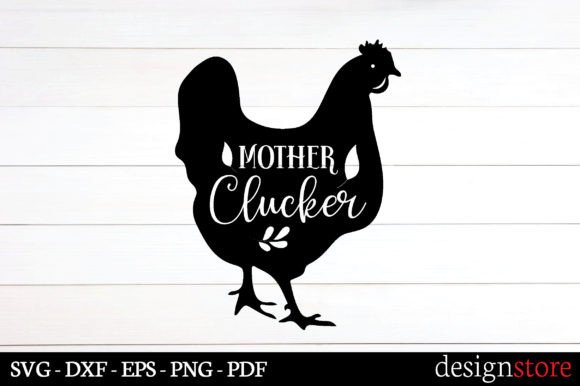
When I first opened the Mother Clucker Svg in my vector software, the immediate feeling was one of rustic charm mixed with playful humor. The name suggests a farm theme, likely centering on a hen character, which immediately places this design in the realm of country decor, kitchen accessories, and family-oriented gifts. The visual personality feels bold and distinct. For an embroidery project, this kind of clear silhouette is often a blessing. It suggests that the design relies on strong outlines rather than microscopic details that might get lost in the stitching process.
The layout appears balanced, which is crucial for placement on various items. Whether I am envisioning this on a heavy cotton tote bag or a soft baby onesie, the proportions seem adaptable. However, as a reviewer, I know that what looks good on a monitor can behave differently under a needle. The real test lies in how the Mother Clucker Svg handles the transition from digital pixels to physical thread.
From Screen to Stitch: A Real-World Scenario
Let's imagine a specific scenario: I am preparing a batch of custom embroidered aprons for a local craft fair. My target audience is home cooks and small bakery owners who appreciate a touch of whimsy in their kitchen gear. I decide to use the Mother Clucker Svg as the central motif on the chest pocket area. The goal is to create a handmade product that feels professional yet approachable.
In this context, the design needs to hold up against frequent washing and handling. If the Mother Clucker Svg relies too heavily on fine running stitch details, they might fray or break over time. Conversely, if the design utilizes substantial fill stitch areas, it could add a nice texture that mimics the fluffiness of feathers without overwhelming the fabric. As I visualize the finished piece, I see potential for a charming personalized gift. The humor implied by the title "Mother Clucker" suggests a design that resonates with people who love poultry or have a sense of fun about motherhood.
For a small shop product, this design offers versatility. I could easily adapt it for a tote bag design using a contrasting thread color to make the character pop against a natural canvas background. Alternatively, on a dark denim jacket, a lighter thread choice would give the sweatshirt embroidery a modern, edgy twist while keeping the rustic soul of the original graphic.
Navigating Technical Challenges in Embroidery
While the concept is sound, every machine embroidery design comes with technical hurdles. When working with a file like the Mother Clucker Svg, I always advise checking the stitch density before committing to expensive fabric. Dense areas can cause puckering, especially on lightweight materials like tea towels or thin baby embroidery fabrics. If the design includes complex curves, such as the beak or feet of the chicken, these areas require careful attention to ensure the needle doesn't skip or pull the fabric.
One critical consideration is the hoop size. If the design is large, it may not fit standard 4x4 hoops, forcing me to use a larger frame or split the design. Splitting can sometimes ruin the flow of the image, so knowing the dimensions upfront is vital. Additionally, if you plan to use this on textured fabrics like terry cloth or fleece, the surface irregularities might distort the shape of the Mother Clucker Svg. In these cases, a high-quality stabilizer becomes non-negotiable to maintain the integrity of the embroidered patch effect.
Another area requiring caution is the use of satins stitch for outlines. While satin stitch provides a glossy, professional finish, it can be prone to breaking if the line is too long or curved too sharply. For a design with a character like this, ensuring the outline thickness is appropriate for the chosen thread weight is essential. If the lines are too thin, the stitches might overlap and create a muddy appearance; too thick, and they might obscure the inner details.
Maximizing Value and Professional Appeal
The success of a commercial embroidery project often hinges on the perceived value of the finished item. The Mother Clucker Svg has the potential to elevate a basic white t-shirt into a boutique-worthy statement piece. When customers see a well-executed design with crisp edges and vibrant thread colors, their trust in your brand increases. They associate the quality of the stitching with the quality of your business.
For Etsy sellers and creative entrepreneurs, having a reliable library of design assets is key to scaling production. This particular design fits well into seasonal collections, particularly around spring, Easter, or harvest festivals. It also works beautifully as part of a matching set, perhaps paired with other farm-themed characters for a nursery collection. The ability to print the design on mugs or signs via the included formats adds another revenue stream, allowing you to offer a cohesive brand experience across different product types.
However, remember that the finished product must meet customer expectations. If the design looks great in a printable mockup but fails in reality due to poor digitization, it can lead to returns and negative reviews. Always test the design on scrap fabric first. Check how the colors interact with the base material. Does the yellow thread show up clearly on a beige background? Does the black outline stand out on a dark navy shirt? These small details make the difference between a good sale and a disappointed customer.
Practical Notes for Designers and Makers
If you are considering the Mother Clucker Svg for your next project, here are a few practical steps to ensure success:
- Verify File Formats: The listing mentions SVG, PNG, DXF, PDF, and EPS files. Ensure you have the correct software to open and convert these into an embroidery file compatible with your machine. Most machines require specific formats like .PES, .DST, or .JEF.
- Test on Scrap Fabric: Never stitch directly onto your final garment without a test run. Use a similar fabric type to check for puckering, thread tension, and registration issues.
- Check Licensing: Before selling any custom apparel or digital product featuring this design, confirm the licensing terms. Some files are for personal use only, while others allow commercial sales of finished goods.
- Consider Stabilizers: Choose the right stabilizer for your fabric. Tear-away works for stable fabrics, while cut-away is better for stretchy materials like knits used in holiday embroidery sweaters.
- Mockup Variations: Create both light and dark fabric mockups to see how the design adapts. This helps in planning your inventory and marketing strategy.
In conclusion, the Mother Clucker Svg presents a promising opportunity for designers looking to add a touch of personality to their Crafts portfolio. With careful preparation and attention to detail, it can become a staple in your collection of graphics for embroidery. Whether you are creating a unique personalized gift or building a line of small shop merchandise, the key is to respect the limitations of the medium while embracing the creativity of the design. By taking the time to test and refine, you ensure that every stitch counts toward a beautiful, durable, and marketable result.